Commercial Waste Maidenhead for reliable business collections

Commercial Waste Maidenhead provides business waste removal in Maidenhead for organisations that need regular collections, one-off clearances, or help with mixed non-hazardous waste. The service is suited to offices, shops, hospitality premises, light industrial units and other workplaces that need clear handling of waste streams without interrupting day-to-day operations. Our aim is straightforward: collect waste responsibly, keep the process organised, and help you maintain a cleaner working environment.
We handle common commercial waste types with practical attention to sorting, loading and onward disposal. That can include general rubbish from day-to-day operations, packaging, office waste, furniture items and selected specialist waste streams where the right disposal route is available. If you need to compare options or plan a collection, the site includes useful detail on business waste removal and related services so you can see how different jobs are approached before you ask for a quotation.
For a wider picture of what is available, you can also review the company’s waste removal service and the main pricing and quotes information. If you already know the kind of material you want removed, a short description of the waste and access arrangements is usually enough to help shape an accurate response. Request a quotation when you are ready and we can help you match the collection to the right service.
Business waste collections planned around your premises
Business waste work is rarely just about taking bags away. It often involves choosing the right collection pattern, separating materials that need different treatment, and making sure the building, yard or loading area can be accessed safely. A well-planned arrangement helps reduce disruption for staff, customers and suppliers. Where waste builds up over time, collections can be organised to handle recurring output rather than treating every visit as a one-off emergency.
For many customers, the useful questions are practical ones: what is being cleared, how often it appears, and whether it contains items that should not be mixed with general rubbish. Our service pages help explain those distinctions. If your requirement is centred on day-to-day operations, the office clearance page is helpful for workplace furnishings and internal items, while the home clearance and house clearance pages give examples of how we approach broader clearances when items need careful separation and removal.
The best outcome is usually a collection that is proportionate to the waste you actually produce. That means avoiding unnecessary disruption, identifying reusable or recyclable materials where suitable, and keeping the process simple for whoever is organising the job. If you want to move from planning to action, tell us what needs removing and we can help you narrow the service scope before a quotation is prepared.
Office waste and workplace items

Office waste can range from paper-based rubbish and packaging through to desks, chairs, storage units and other surplus items. Some workplaces need a clearance before a refit or relocation; others simply need regular removal of accumulated waste that no longer fits the layout. The benefit of a structured service is that it can deal with items in a sensible order, especially when the building has lifts, stairs, limited parking or shared access points.
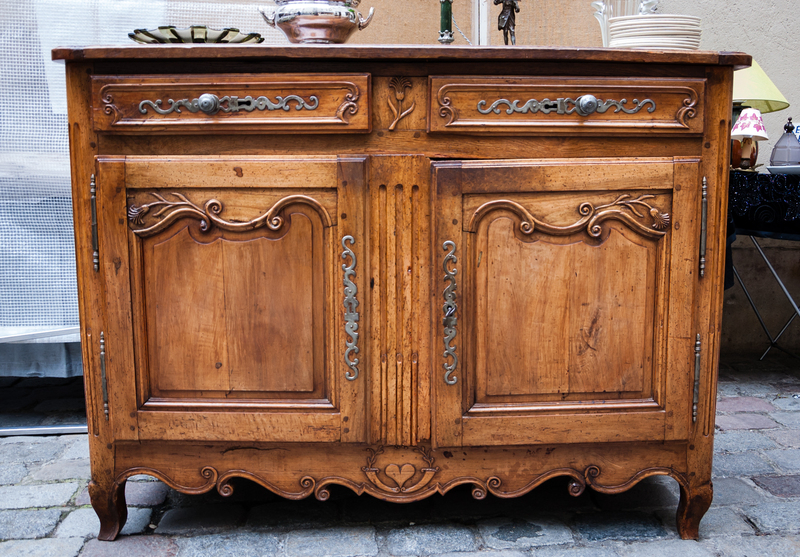
Where furniture is involved, the work may overlap with dedicated item removal rather than general rubbish clearance. That is why the site includes pages such as furniture clearance and furniture disposal. These pages are useful if you want to understand how bulky pieces are handled, how reusable items may be separated, and why some materials need specific disposal routes rather than being mixed with standard waste.
Workplace customers often prefer a simple checklist before booking. The details below are usually the most useful to have ready: what type of items are involved, how much there is, where the items are located, and whether any stairs, loading restrictions or timed access apply. If you can describe those points clearly, we can discuss the most suitable collection and direct you toward the right quotation route.
Bulky furniture, fixtures and fitting removals
Bulky items need different handling from bagged waste because size, weight and disassembly can all affect the removal process. Furniture may need to be carried from upper floors, separated from other contents, or moved through narrow spaces without damaging the premises. In commercial settings, this often includes reception furniture, meeting-room tables, shelving, office chairs and similar items that are no longer required.
Where a property is being refreshed or emptied in stages, it can be useful to combine furniture removal with other forms of clearance. The pages for flat clearance and garage clearance show how different spaces can be cleared methodically, while the loft clearance page covers items stored out of sight that still need safe removal. These services are not identical, but they all rely on sensible sorting and careful lifting.
Some jobs are straightforward, while others need extra time because items must be dismantled or carried through awkward access points. If you are unsure whether your furniture should be described as general waste, reuseable furniture or mixed clearance material, it is usually best to list the items plainly. Start with the larger pieces and then note any smaller waste around them; that helps create a cleaner quotation and avoids confusion about what should be taken.
Mixed waste, clearances and space tidy-ups
Many commercial sites generate more than one waste type at the same time. A storeroom, garage, back office or service area can hold a mixture of packaging, old fixtures, broken furniture and general rubbish. In those cases, the value of a good clearance service is not only in removing the waste but also in deciding what belongs together and what should be dealt with separately. That keeps the job more organised and helps avoid unnecessary handling.
Where a clearer separation is needed, the relevant service pages can help you identify the best fit. For example, the builders waste clearance page is useful where a property has renovation debris, while the fridge and appliance removal page covers heavier domestic or commercial appliances that need a specific disposal route. If the items are predominantly household-style rather than commercial, the flat clearance and house clearance pages explain those clearance categories in more detail.
When a job contains a broad mix, the cleanest approach is to list the main groups of items rather than trying to describe every small object. That helps the team decide what vehicle size, lifting approach and disposal pathway may be suitable. If the site contains only loose rubbish and packaging, the process is simpler; if it includes heavier or awkward items, that should be mentioned early so the collection can be planned without delay.
Specialist waste streams and careful handling

Some waste cannot be treated as ordinary mixed rubbish. Different materials may need separate handling because of their weight, composition or disposal requirements. That includes items such as broken appliances, selected household fixtures, and certain contents that should not simply be bagged with general refuse. A careful service is important here because the right sorting at the start supports safer loading and more appropriate onward treatment.
Where specialist handling is needed, the site’s pages can help you understand the available categories. hazardous waste disposal is relevant when the contents require particular caution, while mattress and sofa disposal is useful for large upholstered items that are awkward to move and transport. If the waste includes kitchen or break-room appliances, the fridge and appliance removal page may be the clearest starting point.
It is important not to mix materials simply to save time, especially where one item may affect the handling of the rest. A clearer description leads to a better plan and a more relevant quotation. When you prepare an enquiry, list the exceptional items first, then add the general waste around them. That order makes it easier to judge whether the collection can be grouped as one visit or should be split into separate parts.
Pricing factors and what affects a quotation
Quotations for commercial waste usually depend on a small number of practical factors rather than a single fixed rule. The amount of waste, its type, how it is packed, how accessible it is and whether any items need extra care can all influence the final plan. A job involving loose bags in an easy ground-floor location is very different from a mixed clearance that includes furniture, heavier objects and multiple rooms or storage areas.
The pricing and quotes page gives a useful starting point if you want to understand how the process works. Where the waste is mostly office or business material, the business waste removal page is also helpful because it explains the general service structure in a commercial setting. For ongoing needs, it may be better to discuss recurring collection patterns rather than treating every removal as a separate one-off request.
Good quotation requests are usually concise but specific. A short note about the type of waste, approximate quantity and any access issues is often enough to begin. If photos are available, they can help, but they are not the only way to describe a job. The main thing is to give enough information for the collection to be matched to the right level of service so the quote reflects the actual work involved.
Recycling, sorting and responsible disposal choices
Commercial waste work is more effective when recyclable and non-recyclable items are identified sensibly at the outset. Cardboard, paper, some plastics, metal, furniture and appliance-related materials may all need different treatment depending on condition and composition. Good sorting helps the job move more cleanly and supports better disposal choices, especially where a workplace creates repeating waste from deliveries, fit-outs or routine operations.
The site’s recycling and sustainability page is useful if you want to understand the wider approach to material recovery and disposal decisions. For some businesses, the practical aim is to reduce the volume of waste that ends up mixed unnecessarily. For others, the key issue is simply having a reliable method for removing waste without letting it accumulate in storage areas or obstruct staff movement.
Keep reusable items separate where possible and place loose waste in an order that makes inspection easier. That does not mean every collection must be perfectly sorted beforehand, but a little structure helps the process run more smoothly. If your premises regularly produce similar waste, it is often worth keeping that pattern in mind so future collections can be described more clearly and booked more efficiently.
About Maidenhead

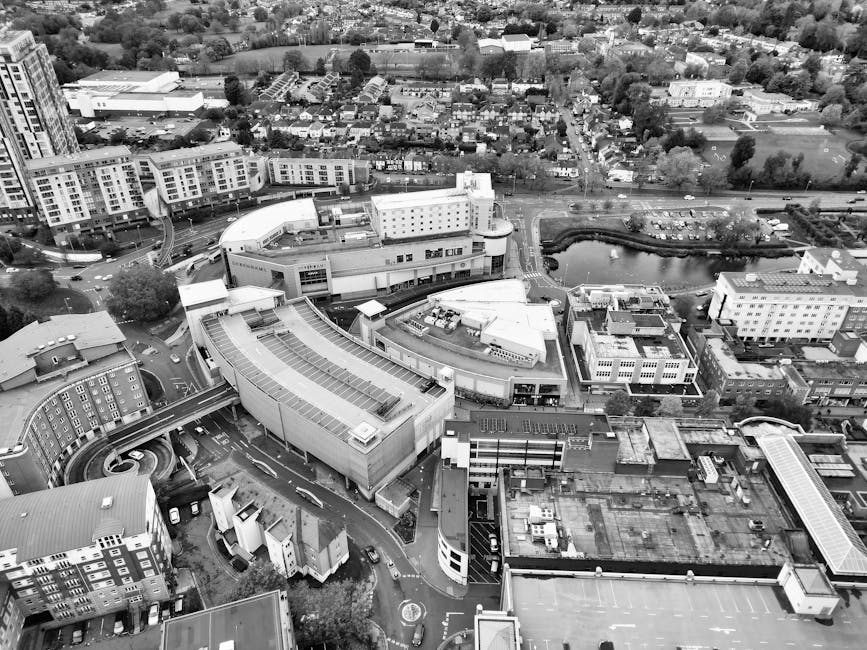
Maidenhead is a town in Berkshire on the River Thames, positioned west of Windsor and within the wider Thames Valley. Its riverside setting is one of its defining features, with the Thames forming an important part of the town’s geography and leisure life. Maidenhead grew from a riverside crossing and market settlement into a railway-linked commuter town, and much of its later development reflects that transport history. The Great Western Railway opened in the 19th century, helping connect the town more closely with London and other nearby centres. Today the town includes a mix of older streets, post-war development, retail areas and business locations, all of which contribute to a varied urban character. Maidenhead Bridge is a notable landmark, while the surrounding river corridor and nearby open spaces give the town a softer edge than many compact commercial centres. The town is also associated with the wider royal and sporting landscape of the Thames Valley, and nearby places such as Bray, Taplow and Cookham add to its regional identity. Cultural life includes local events, riverside walking, community sport and a range of independent and chain businesses across the centre and outlying estates. This combination of river, rail and road links has shaped Maidenhead’s layout over time, leaving a place that is both practical and visually distinct, with a strong connection between its centre and the waterways that run through it.
For customers in Maidenhead who need business waste removed, the service can be matched to offices, shops, hospitality premises and mixed commercial sites that produce regular or occasional clearance needs. Whether the task involves recurring collection or a single removal, the key is to choose the service category that fits the waste type and access conditions. If you are comparing options, the service pages below give a clearer picture of the main categories before you send through a request.
Office, retail and light industrial collections
Different premises create different waste profiles. Offices often generate paper, packaging and worn furniture; retail units may produce display items, cardboard and back-of-house waste; light industrial sites may have mixed waste from storage, stock handling or workspace reorganisation. A good commercial collection service takes those differences into account rather than applying one generic method to every site. That improves planning and helps reduce unnecessary handling on the day.
If your premises include a workroom, stock area or storage unit, the garage clearance and loft clearance pages can be helpful examples of how accumulated items are approached when access is limited or the contents have built up over time. For broader domestic-style items in mixed-use settings, the home clearance page shows the same careful method applied to larger clearances, while the furniture clearance page focuses on heavier objects that can dominate the job.
When commercial waste is mixed with stored items, it is often best to prioritise the largest categories first. That makes the quotation easier to shape and helps identify whether one visit will cover the job or whether different item types need separating. If you are unsure how to describe the contents, a brief plain-language summary is enough to begin the conversation.
Booking, access and the information that helps

A clear booking request saves time for everyone. The most useful details are usually the collection address, the type of waste, approximate amount, whether items are indoors or outdoors, and any access limits that might affect loading. If there are stairs, narrow corridors, shared entrances or parking restrictions, those points matter because they influence how the collection is organised. One carefully written message is generally more useful than a long description that leaves the waste type unclear.
Some customers also choose to mention whether the waste is loose, bagged, boxed or already grouped by room or area. That can help distinguish a simple pickup from a more involved clearance. If you have related waste across multiple areas, say so early rather than assuming it can all be handled in the same way. Get in touch for a quotation when you are ready, and we can help turn the details into a practical plan.
For customers who want another route into the process, the book online page offers a direct way to begin a request, while the about us page gives background on the company’s service focus. Taken together, these pages make it easier to compare the available options and decide how to move forward with a collection that suits the waste, the premises and the schedule.